““The story of family farming underscores a legacy of sustainability.””
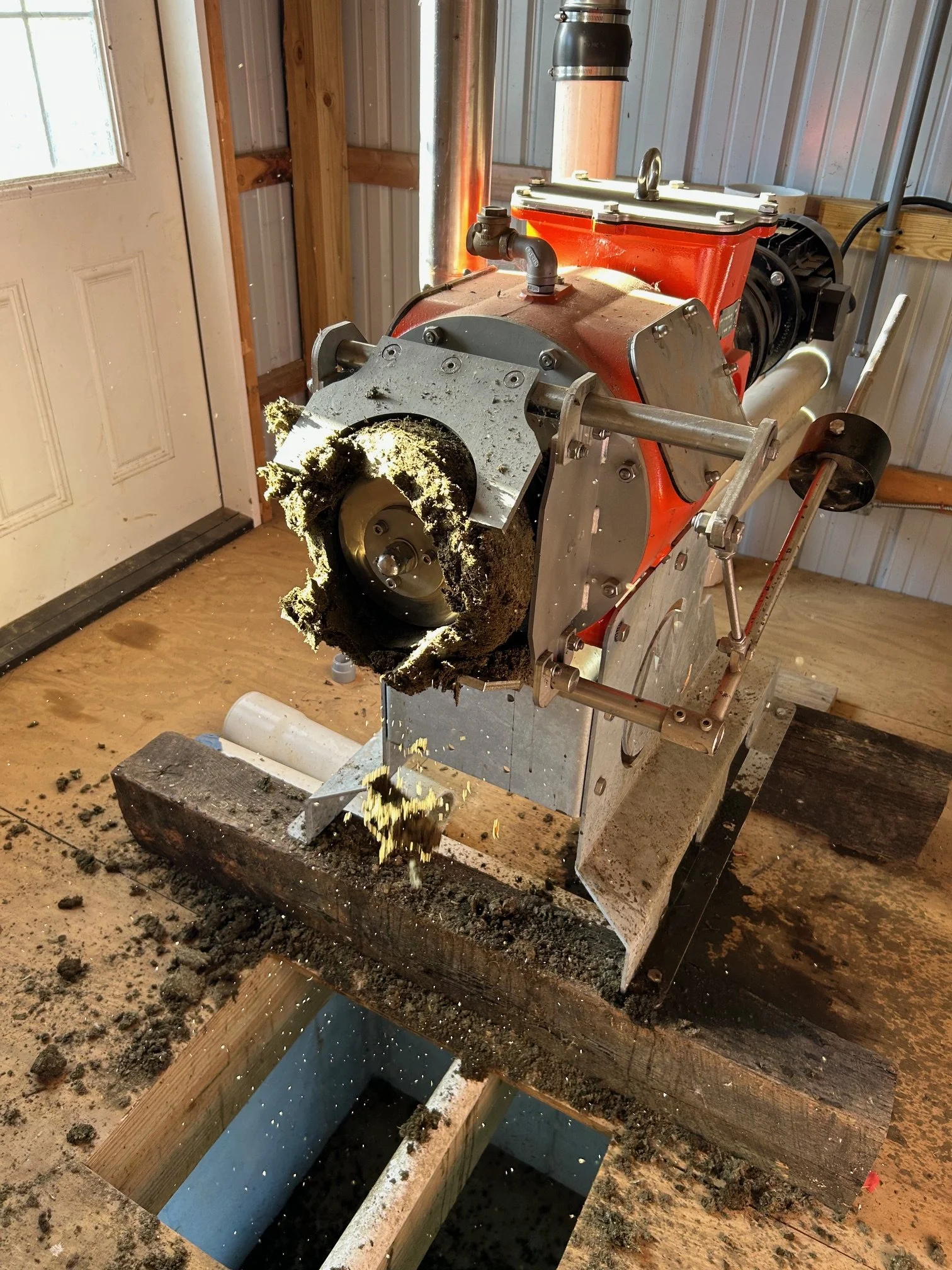
As farmers, one of our greatest callings is preserving and conserving our environment. At Long Green Farms Inc., we view ourselves as stewards of the land, water and resources. We continue to strive to improve our overall Carbon footprint and to achieve Carbon neutrality.
No Till Planting
Long Green Farms utilizes a practice called No Till Planting to decrease the amount of soil erosion tillage. No Till Planting also increases the amount of water that infiltrates in to the soil, soil retention of organic matter, and nutrient cycling.
Cover Crops
Long Green Farms Inc. plants 300 acres of cover crops annually. Cover crops slow the velocity of runoff from rainfall and melting snow to reduce soil loss due to sheet and rill erosion. Over time, cover crops will increase the soil’s organic matter, leading to improvements in soil structure, stability, moisture, and capacity to hold nutrients for plant growth.

STREAM RESTORATION

2020 Stream Restoration

In 2020, Long Green Farms Inc. partnered with Appalachian Stream Restoration and Wetland Studies to reconstruct the 14,219 linear feet of the streams running through the farm. These streams feed the North East Creek, which is a direct tributary of the Chesapeake Bay. The project included grading, stream alignment, installation of woody toe log sills, log vanes, rock sills, and woody debris. The project removed 8763 pounds of nitrogen, 1210 pounds of phosphorus, and 1974 pounds of sediment annually. Approximately 60,000 trees were planted!
Covered Heavy Use Area
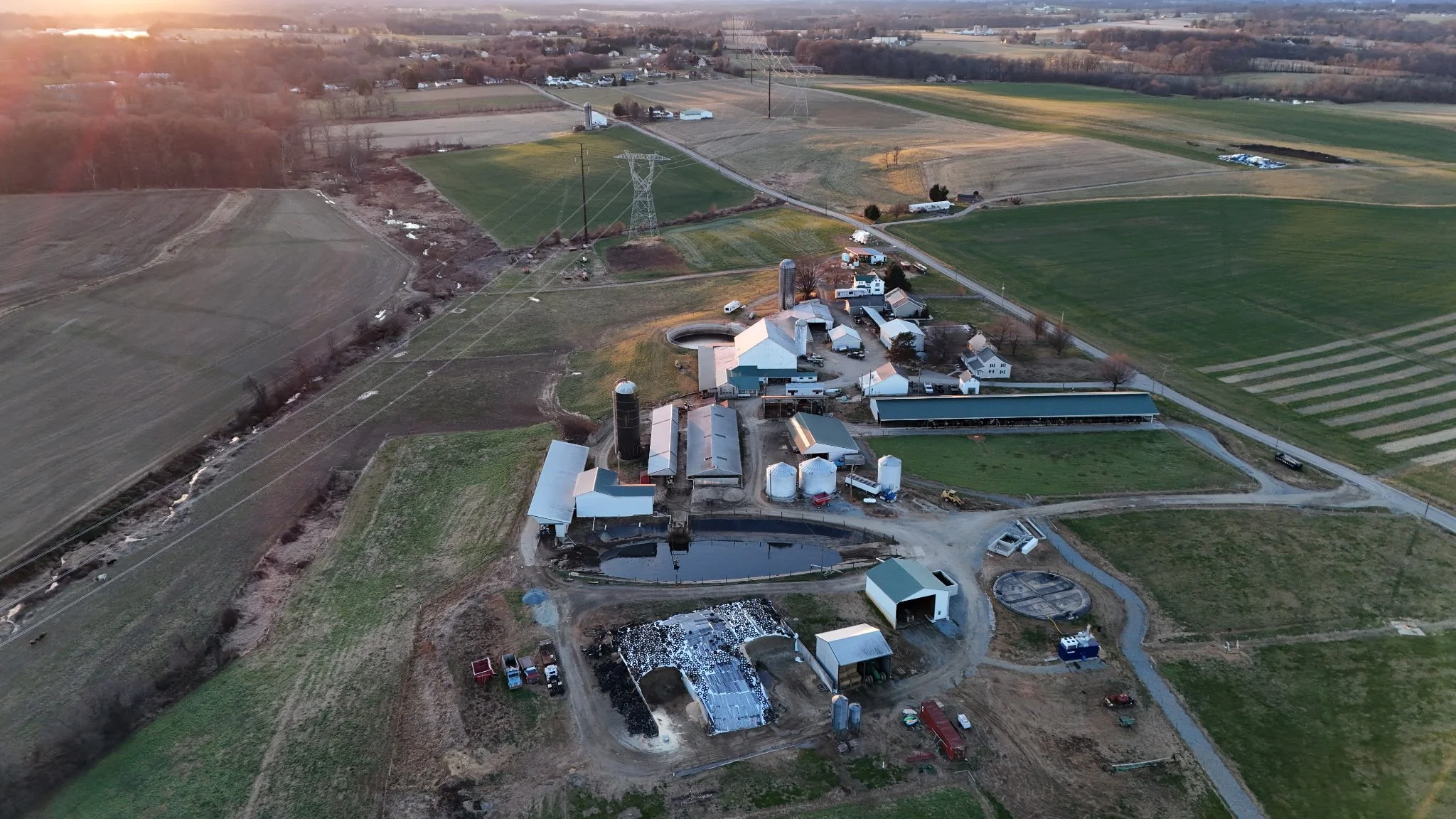
In 2017 Long Green Farms constructed a covered heavy use area with manure storage. The facility has a clean rainwater diversion and 5 pasture lots with animal waterers. The purpose is to provide stable, non-eroding surface for areas frequently used by animals and to protect and improve waterways.
Grassed Waterways, Buffers and Terraces
Grassed Waterways are a portion of an overall farm management system that improves water quality and provide water, food, and shelter for wildlife. They carry water runoff from terraces and other water diversion sources to a safe discharge area without creating flooding or erosion.
Drag-lining
We plant 225 acres of corn, 120 acres of soybeans, and 80 acres of grass hay. To minimize commercial fertilizer application, we apply our animal waste to the fields through a process called drag-lining. Drag-lining is like a very large water hose that is connected to a tractor with a large sprinkler system and boom to equitably distribute the manure. A large blender or agitator is placed in the manure pit to stir the liquids and the solids to ensure equal application of nutrients.
Manure Injection
We inject manure directly into the soil because it captures more nutrients, decreases runoff, and eliminates odor.
Conservation Easement
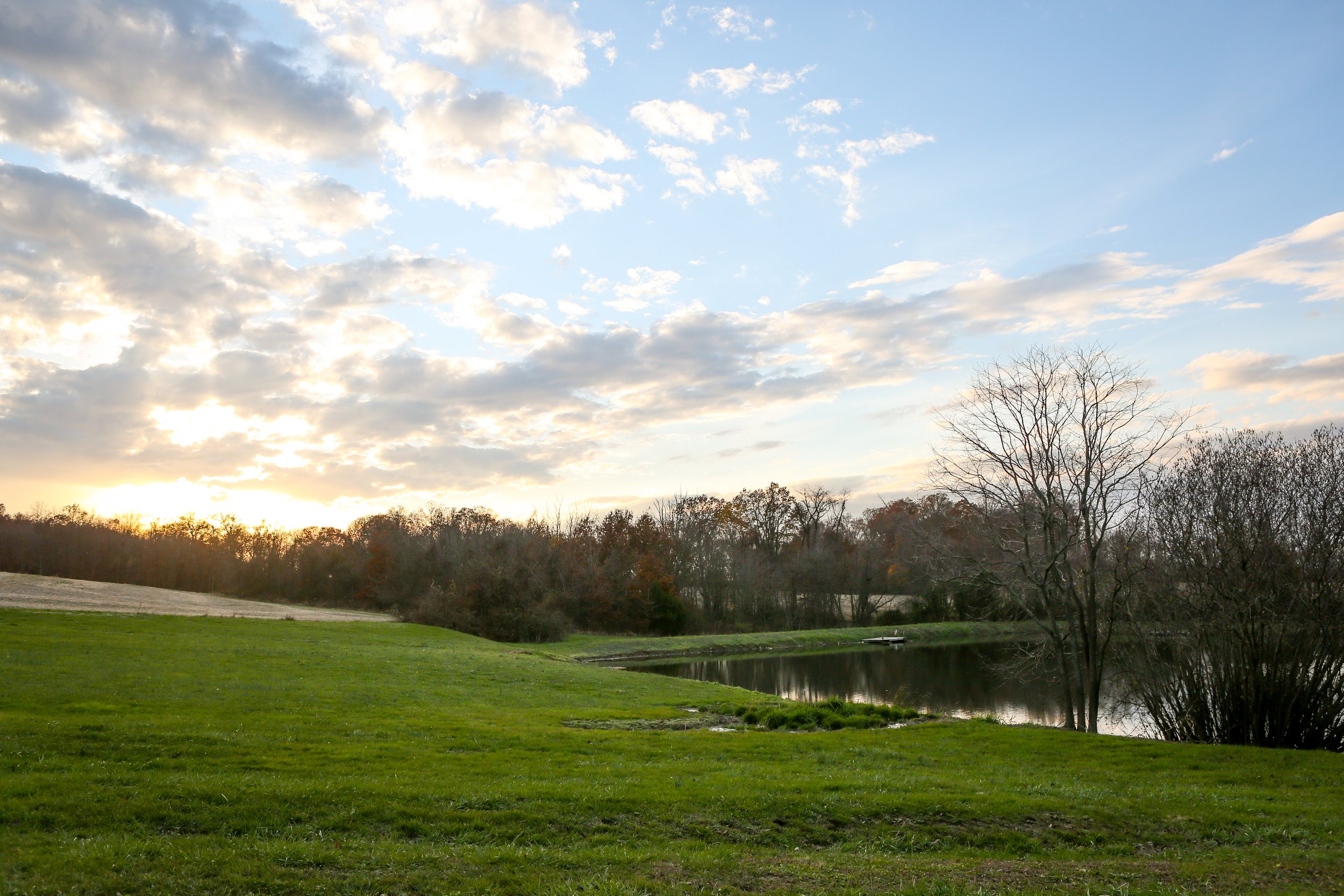
In 2018 Long Green Farms Inc. and Cecil Land Trust joined to place 535 acres of farmland into permanent protection.

Sand Seperator
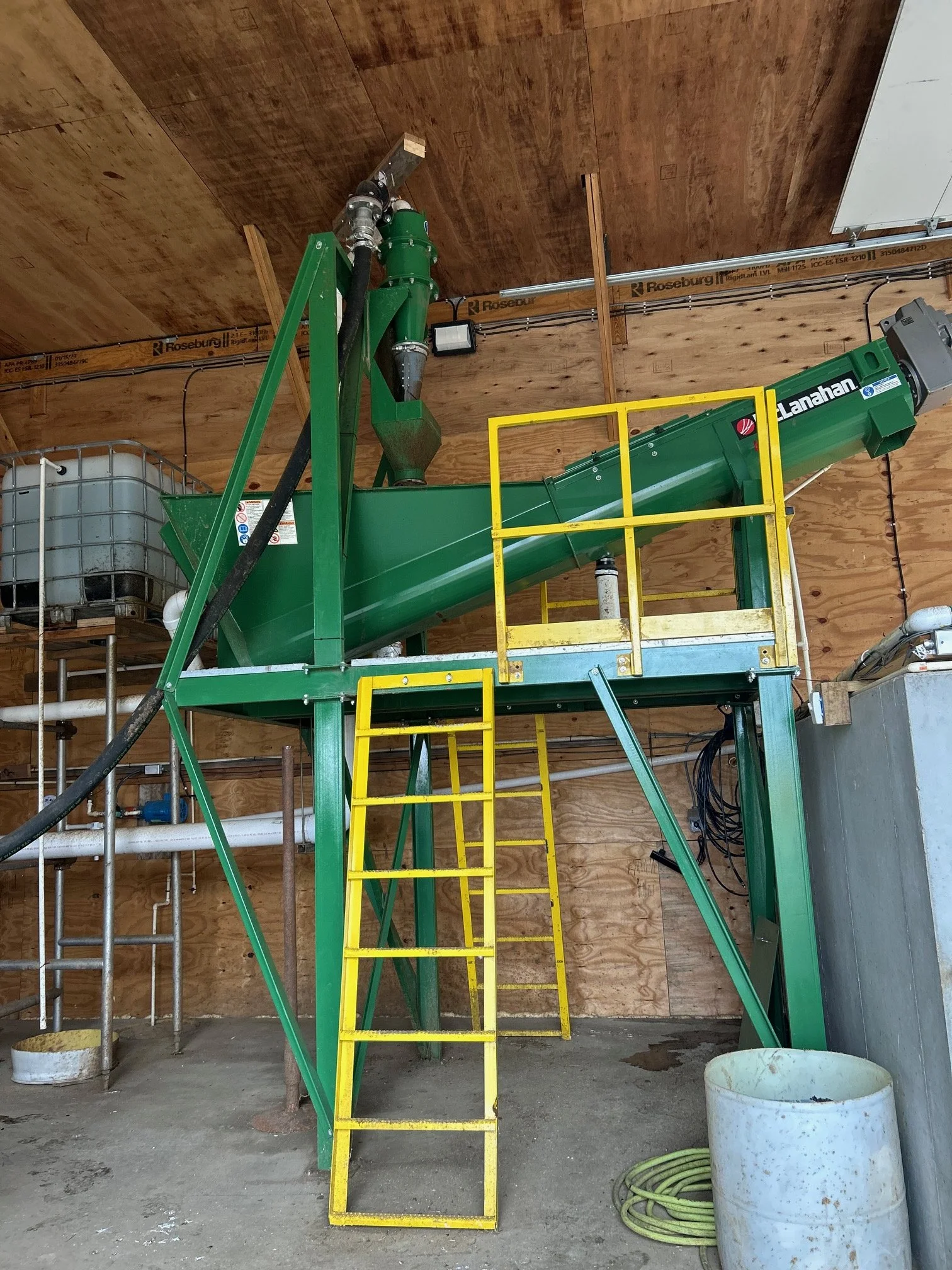
Long Green Farms Inc. is excited to share one of our recent projects! With the partnership of NRCS (Natural Resource Conservation Service) through RCPP (Regional Conservation Partnership Program) we have installed a sand seperator.
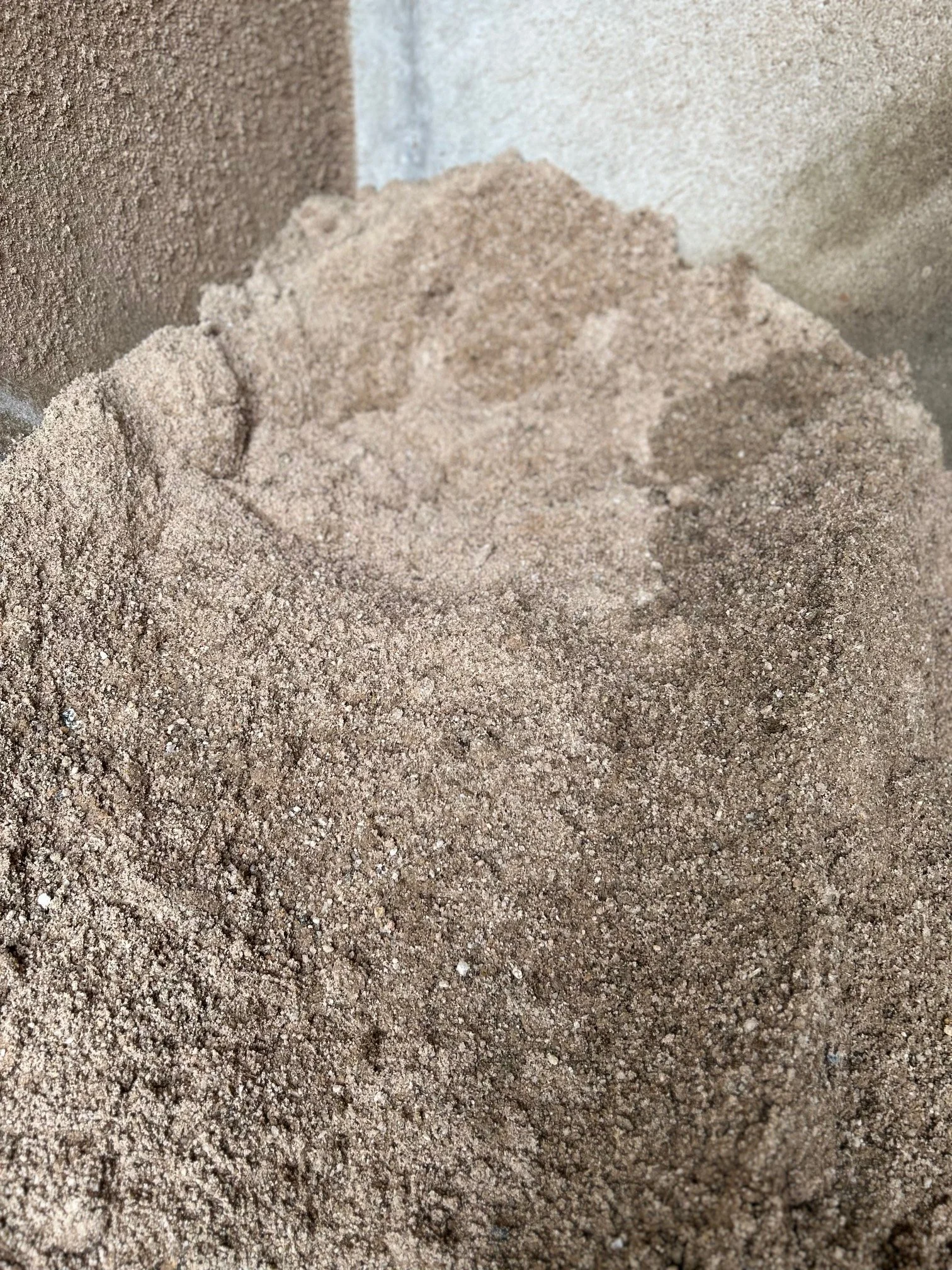
In the winter of 2023 we broke ground on the construction and installation of a mechanical sand seperator. The sand is used as the primary bedding of our dairy cows. The sand seperator allows us to recycle and reuse approximately 800 tons of sand annually. We turned the sand seperator on Fall of 2024.


Earthen Lagoon Decommission/ Additional Heavy Use Area
The original earthen lagoon was constructed in 1973. In the spring of 2023 Long Green Farms Inc. will decommission the lagoon and implement a new concrete manure structure. This project will also include a roof run off structure and clean water diversion.
FORESTED BUFFERS
Long Green Farms Inc has partnered with Alliance for the Chesapeake Bay to convert 7.1 acres of former pastureland that borders the North East Creek to forested buffers through the Healthy Forests Healthy Waters program. This is a multi-step process. The previous thick canary grass that would prevent the establishment of tree seedlings has been controlled. The canary grass was sprayed twice this spring season. Now some native cover that can tolerate wet soils will be planted. Fall of 2024, native trees and shrubs will be planted utilizing live stakes which tends to be an effective technique in wet soils. The plant species will likely be sycamore, cottonwood, elderberry, willow and dogwood.
METHANE DIGESTOR
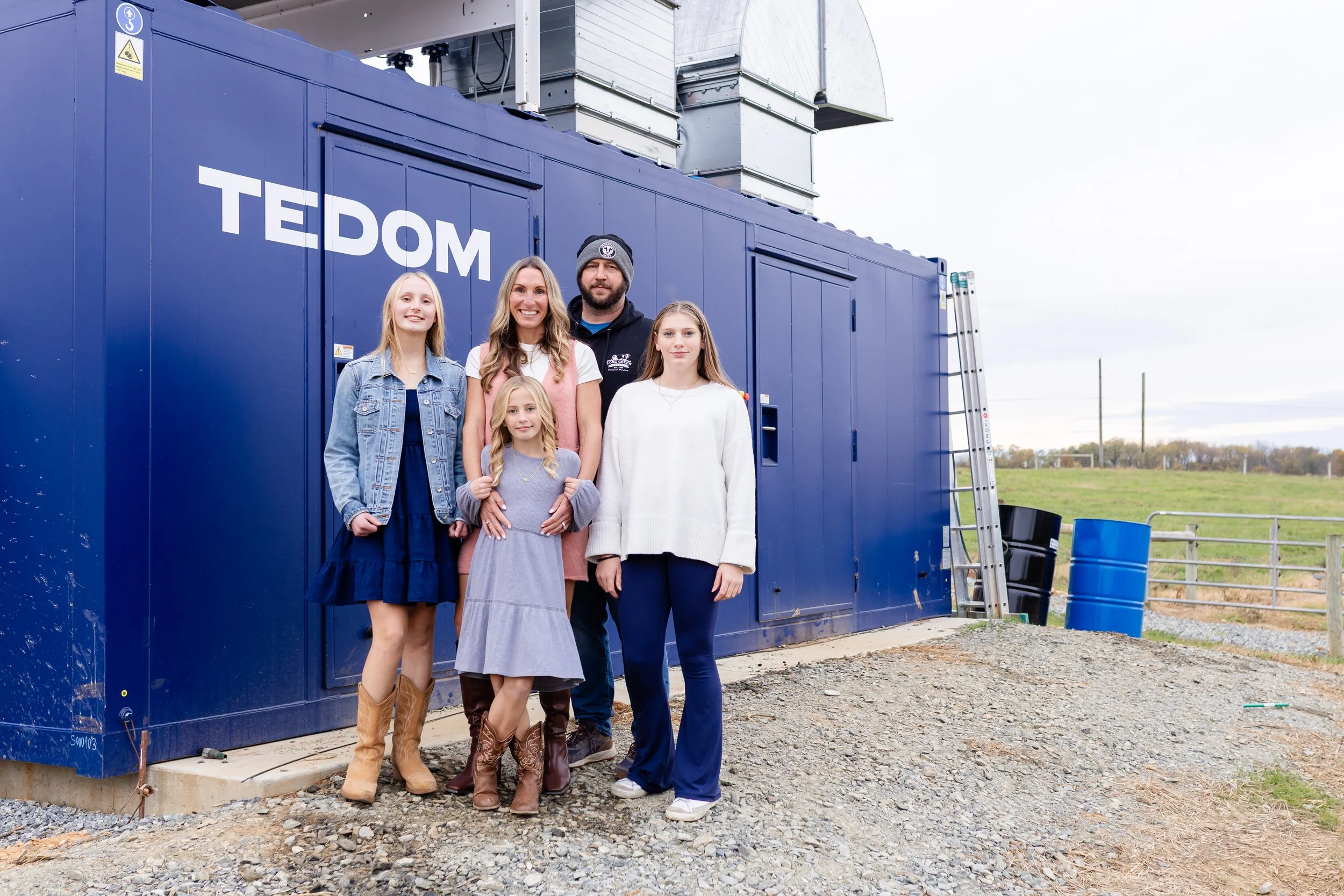
Long Green Farms Inc has partnered with Maryland Department of Agriculture to install a methane digestor. A methane digestor can reduce nutrients needed for crops by making more efficient utilization of the nutrients in the digested manure, produce energy, and treat food waste by making those nutrients more plant available through the digestive process. A methane digestor converts animal waste to energy.
Long Green Farms Inc is powering the farm through the energy produced and placing the excess electricity on the grid for community consumption. The digester is was turned on Fall of 2025!
MANURE SCREW PRESS
Long Green Farms Inc. has installed a Manure Screw Press. A manure screw press separates solids from liquids post digestion. A screw press reduces waste volume, lowers transportation and storage costs, and creates a valuable end product for bedding or fertilizer. We will be using the sawdust like material as bedding in our Heavy Use Area with our heifers. This eliminates the need to purchase bedding materials and eliminates the trucking labor and fuel.